

Nepal warned of possible FATF blacklist as anti–money laundering reforms stall
KATHMANDU — Nepal is facing a serious warning from the Asia/Pacific Group on Money Laundering (APG), the regional arm of the Financial Action Task Force (FATF), over its slow progress in implementing financial crime reforms. The watchdog has cautioned that the country could be pushed closer to the FATF “black list” if it fails to demonstrate meaningful and immediate progress.
In unusually blunt language, the APG has reportedly expressed deep dissatisfaction with Nepal’s performance in exiting the grey list, saying that current efforts have fallen short of expectations. Officials familiar with the discussions described the warning as one of the strongest diplomatic messages Nepal has received on financial governance in recent years.
The APG delegation currently in Kathmandu has been described as a high-level intervention mission ahead of a decisive review scheduled for September 2026. That timeline leaves Nepal with less than four months to show substantial and measurable progress on its 15-point action plan related to anti–money laundering and counter-terrorist financing reforms.
High-level delegation signals urgency
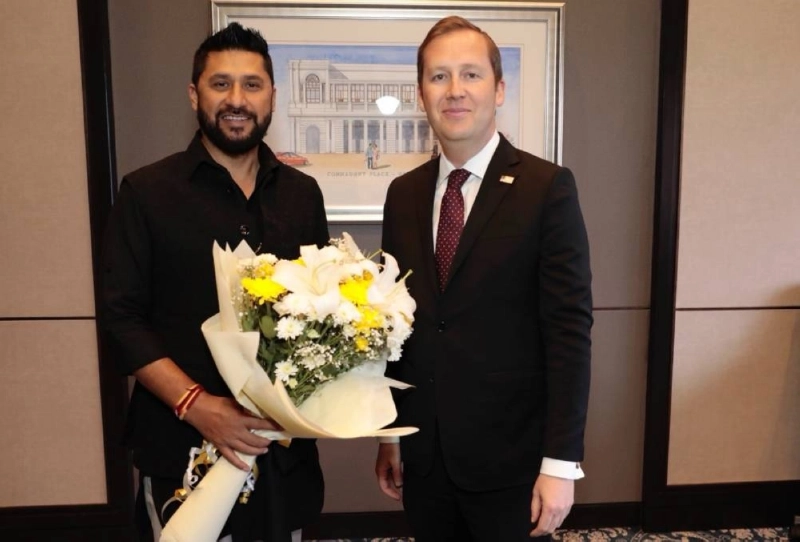
The delegation is led by Deputy Executive Secretary David Shannon, a veteran FATF assessor who is currently conducting his 24th mutual evaluation. His presence in Kathmandu is being interpreted by officials as a signal of the seriousness of Nepal’s compliance gaps, given his long-standing experience in global financial monitoring systems.
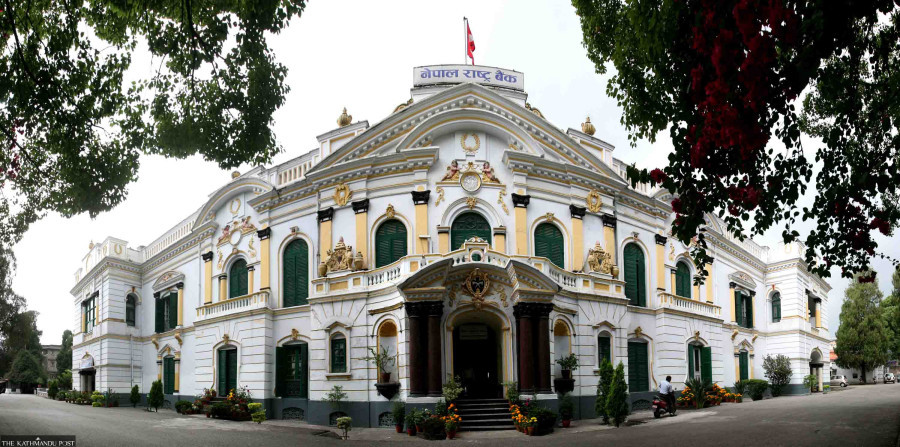
Shannon and his team arrived in Kathmandu on Sunday and held a series of high-level meetings on Monday at the Office of the Prime Minister and Council of Ministers. The discussions included senior representatives from key institutions such as the Ministry of Finance, Ministry of Home Affairs, Ministry of Law, the Office of the Attorney General, Nepal Rastra Bank, Nepal Police, Armed Police Force, Nepal Army, and the Department of Money Laundering Investigation.
According to officials present in the meetings, the APG delegation made its dissatisfaction with Nepal’s progress unmistakably clear, particularly regarding enforcement, case handling, and institutional coordination.
Six-point agenda focused on urgent reforms
A confidential briefing note attributed to the APG Secretariat outlines six key objectives for the visit. These include restructuring Nepal’s FATF engagement under ministerial-level leadership, assessing preparedness across the 15-point action plan, and communicating the political risks of blacklisting.
The delegation is also pushing for improved coordination among government agencies, stronger political commitment for technical assistance focused on operational outcomes, and significant improvements in the quality of data, case studies, and reporting submitted to FATF.
Slow progress despite reforms
Nepal was placed back on the FATF grey list in February 2025, with a deadline to complete required reforms by 2027. However, progress has reportedly been uneven, with officials citing political instability, institutional disruption, and administrative delays as contributing factors.
A series of political transitions, including snap elections and government changes, has left several elements of the action plan incomplete or delayed.
Despite this, the current administration has publicly acknowledged the urgency. Finance Minister Swarnim Wagle has repeatedly identified grey-list exit as a national priority, warning that Nepal’s financial reputation and investment climate are already being affected. Authorities have also pointed to recent arrests in money laundering-related cases as part of renewed enforcement efforts.
Former finance minister Rameshore Khanal has also previously emphasized the need for stronger investigation, prosecution, and asset recovery mechanisms.
Concerns over enforcement gap
Despite policy commitments, the APG assessment reportedly finds Nepal lagging in key areas, including law enforcement, investigative capacity, prosecution rates, and financial crime monitoring.
Official data presented to the delegation shows 121 money laundering cases filed by the Department of Money Laundering Investigation, 21 cases by Nepal Police following legal amendments, six cases by the Commission for the Investigation of Abuse of Authority, and isolated cases from other agencies. However, APG officials reportedly consider these figures insufficient given the scale of compliance requirements and the complexity of financial crime investigations.
Political pressure ahead of critical deadline
The delegation had reportedly sought a meeting with Prime Minister Balendra Shah on Tuesday, although it remained unclear whether the meeting would take place. Officials say such engagement is critical, as FATF compliance is expected to be driven at the highest political level.
Meetings are also scheduled with Finance Minister Wagle and Nepal Rastra Bank Governor Biswo Paudel as part of continued consultations.
Nepal under renewed scrutiny
Nepal has previously been on the FATF grey list, most recently from 2011 to 2014, before exiting after reforms. However, its return to the list in 2025 has placed renewed pressure on the country to demonstrate sustained compliance.
With global financial scrutiny intensifying, Nepal now faces a narrow window to implement credible reforms—or risk further isolation in the international financial system.
सम्बन्धित खवर